(


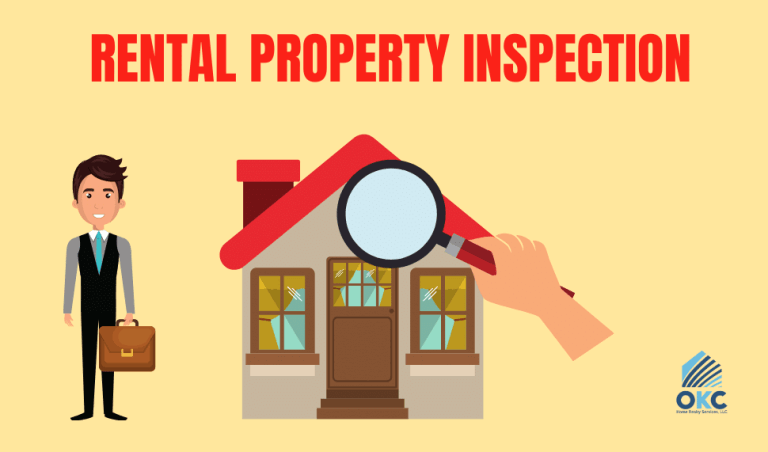

Quick answer: Rental property inspections protect landlords by catching maintenance issues before they become expensive repairs, documenting the property’s condition for move-in and move-out comparisons, confirming tenants are maintaining the home, and supporting insurance and Section 8 compliance. Properties inspected only at move-out, with no record in between, are the ones most likely to surface costly, undocumented damage.
A tenant who pays rent on time and never calls about maintenance isn’t automatically a good tenant. They might simply not be maintaining the property, and without an inspection, you won’t know until they move out. Regular inspections are how a landlord finds out what’s actually happening inside a rental before it turns into a repair bill in the thousands.
What Is a Rental Property Inspection?
A rental property inspection is a documented check of a property’s condition, done with photos and written notes, at a specific point in the tenancy. There are many different types of rental property inspections but for landlords, three inspections matter most:
Move-In Inspection: Documents condition before the tenant takes possession. This is the baseline every later comparison is measured against.
Periodic Inspection: A check during the lease, typically a few months into a new tenancy and then on a set schedule after that, to confirm the property is being maintained.
Move-Out Inspection: Compares current condition against the move-in record to determine what is normal wear and tear versus tenant-caused damage.
This is different from a pre-purchase home inspection, which is a one-time check before a property is bought or sold. A rental inspection is ongoing and tracks a property’s condition across the life of a tenancy, not a single point in time.
Why Do Rental Inspections Matter for Landlords?
Inspections matter because they turn a landlord’s biggest blind spot, not knowing what’s happening inside an occupied property, into documented, actionable information. Here are some ways rental property inspections protect your investment:
Do Inspections Catch Problems Before They Get Expensive?
Inspections do catch problems before they can get really expensive. A slow leak, a dirty HVAC filter, or minor roof damage is a small repair if caught early. Left unaddressed for a year or more, the same issues can turn into replaced flooring, a failed HVAC system, or a full bathroom repair. Inspections exist to find the small problem while it’s still small.
Do Inspections Show How a Tenant Is Actually Treating the Property?
Inspections at regular intervals help to know how the tenant is living in your property. A tenant who never calls about maintenance isn’t necessarily low-maintenance, they may not be maintaining the property at all. A regular home inspection helps to surface that early enough to issue a lease violation notice or require repairs, rather than finding out at move-out.
Do Inspections Help With Security Deposit Disputes?
Yes, directly. Without documented move-in condition, a move-out dispute is the landlord’s word against the tenant’s. With dated photos and notes from both ends of the tenancy, the comparison is evidence-based, which is what actually determines what can be deducted from the security deposit.
Do Inspections Reduce Liability Risk?
Yes. Issues like a dead smoke detector battery, a blocked dryer vent, or an unreported trip hazard become a liability problem for the landlord if they’re never caught. Routine inspections are a basic layer of protection against that.
Do Inspections Help With Insurance Claims?
A documented inspection history showing a property was regularly checked and maintained can help support a damage claim. An undocumented property with no inspection record is a harder claim to make.
Are Inspections Required for Section 8 Rentals?
Section 8 units must pass housing quality standards inspections run by the local housing authority. Your own periodic inspections help you catch problems before the official inspection does.
Can Inspections Reveal Unauthorized Pets, Occupants, or Alterations?
An inspection can reveal things the lease doesn’t allow, and which you may not otherwise learn about. Common examples include:
- Pets that were never disclosed or approved
- Additional people living in the home who aren’t on the lease
- Changed locks, added fixtures, or painted walls without permission
- Alterations to wiring, plumbing, or structural elements
- Items stored in ways that create fire or safety risks
How Should Landlords Communicate Inspections to Tenants?
How you present an inspection affects how tenants respond. If it feels like an accusation, you can damage the relationship. If it’s explained as routine property care, most tenants cooperate.
- Give notice in writing and in advance. Include the date, the time window, and the reason for the visit. If you send it by email, review whether that meets your lease’s notice requirements (see Is an email considered written notice?).
- Explain that inspections are routine. Tell tenants you inspect all of your properties on a regular schedule and that it’s also a chance to log any maintenance they haven’t reported.
- Be respectful during the visit. Keep the inspection to what you said you would do, avoid going through personal belongings, and be on time.
Also Check: What a Landlord Can Look At During an Inspection - Share the results. Let tenants know about any repairs you plan to handle. Tenants who see maintenance happen are more likely to report problems early and to renew.
- Don’t use inspections to pressure or harass. Repeated or unreasonable visits can lead to legal problems. See what is landlord harassment.
Handled this way, inspections also support tenant retention, because tenants feel the property is being cared for.
What Does a Rental Property Inspection Cover?
A thorough rental property inspection typically covers the property’s interior, exterior, major systems, and visible safety concerns.
| Inspection area | What to check |
| Heating and air conditioning | System operation, accessible filters, unusual noises, and visible damage |
| Plumbing | Faucets, toilets, visible pipes, drainage, and signs of leaks |
| Electrical | Accessible outlets, switches, visible damage, and apparent electrical hazards |
| Roof, gutters & downspouts | Visible damage, loose components, blocked gutters, and signs of water intrusion |
| Windows and doors | Locks, operation, damaged frames, and weather seals |
| Safety equipment | Smoke detectors, carbon monoxide detectors where required, and accessible fire safety equipment |
| Walls and ceilings | Cracks, holes, stains, peeling paint, and signs of moisture |
| Flooring and fixtures | Damage, loose components, and excessive deterioration |
| Pest activity | Visible signs of rodents, insects, or other pest problems |
| Exterior and grounds | Walkways, steps, handrails, drainage, and visible property damage |
| Water heater | Visible leaks, rust, corrosion, age, temperature and pressure relief valve, and signs of water damage around the unit |
| Appliances (if provided) | Operation, visible damage, leaks, and clean filters or vents (for example, dryer vent and range hood) |
| Fireplaces and chimneys | Visible damage, blockages, soot buildup, and signs of water intrusion; a qualified professional should inspect the flue and chimney structure |
| Basement or crawlspace | Walls, floors, and drains; moisture, standing water, mold signs, pest activity, and foundation cracks |
| Trees and landscaping | Tree limbs near or touching the roofline, dead or leaning trees, and branches near power lines or the house |
The exact rental inspection checklist will vary depending on the property’s age, type, condition, local requirements, and lease terms. Some systems, such as electrical installations, HVAC equipment, and roofing, may require a qualified professional rather than a visual inspection alone.
The objective is to identify maintenance needs and safety concerns, not to treat every sign of ordinary use as tenant damage.
What to Do After an Inspection Finds Problems
An inspection is only useful if the findings lead to action. A practical sequence looks like this:
- Prioritize safety and urgent issues first. Gas odors, active leaks, exposed wiring, nonworking smoke detectors, and loss of heat or water need immediate attention. See our guide to emergency repairs for rental properties.
- Decide who is responsible. Ordinary wear and tear and failing systems are generally the landlord’s responsibility. Damage caused by a tenant’s negligence or misuse may be the tenant’s responsibility, depending on the lease and the law. See normal wear and tear vs. property damage.
- Get quotes for larger repairs. For anything beyond a routine fix, collect written estimates before approving the work.
- Communicate in writing. Tell the tenant what was found, what needs to be corrected, and by when. Tell the owner (if you manage for one) what was found and what it will cost.
- Issue a lease violation notice if the tenant is at fault. The tenant can generally fix the problem or pay for the repair, depending on the lease and the law. Follow the notice requirements that apply to the violation.
- Document the outcome. Keep photos, invoices, and completion dates, and schedule a follow-up check if needed.
If the situation involves a possible lease violation or repair dispute, get legal advice before taking action. Our guide on how to handle tenant damage in Oklahoma covers the next steps in more detail.
How Often Should a Landlord Inspect a Rental Property?
A practical starting point for many landlords is to conduct a move-in inspection, a periodic inspection during the tenancy, and a move-out inspection. The appropriate frequency depends on the property’s condition, lease terms, maintenance needs, local laws, and any applicable housing program requirements.
A general inspection schedule could look like this:
- At move-in: Document the property’s condition before or as the tenant takes possession.
- Within the first three to six months: Consider an initial periodic inspection to identify maintenance concerns and establish expectations.
- Every six to twelve months thereafter: Consider routine inspections for properties where this frequency is appropriate and legally permitted.
- At move-out: Document the property’s condition after the tenancy ends.
This is a general planning framework, not a universal legal requirement. Some properties may need more frequent checks, while others may require a different schedule. Landlords should verify local entry-notice requirements, tenant privacy rights, lease provisions, and any program-specific inspection rules before setting their policy. [Under Oklahoma Statutes, Title 41, Section 128, landlords generally must give at least one day’s notice before entering, except in emergencies or when notice is impracticable. Entry must also happen at reasonable times and cannot be used to harass the tenant.]
Inspections should also take place when there is a legitimate maintenance concern, subject to applicable entry requirements. A reported leak, for example, should be addressed promptly rather than waiting for the next scheduled inspection.
The Bottom Line
Regular rental property inspections help you catch maintenance issues early, protect your investment, and keep your property in good condition throughout the tenancy. At OKC Home Realty Services, we provide detailed, periodic property inspections as part of our comprehensive property management services across Oklahoma. From maintenance coordination to tenant management, we help you protect your rental property without having to handle every detail yourself. Contact our team to learn how we can help manage and protect your rental investment.
Frequently Asked Questions
Do I need to inspect my rental if the tenant never reports problems?
Yes, regular inspection is necessary. You shouldn’t be completely relaxed if a tenant never calls about maintenance. They may not be maintaining the property, and an inspection is the only way to know which is true.
What's the difference between a rental inspection and a home inspection?
A home inspection is a one-time check before a property is bought or sold. A rental inspection is ongoing, covering move-in, periodic checks, and move-out, and tracks conditions across the life of a tenancy.
What happens if an inspection finds tenant-caused damage?
Depending on the lease and the damage, this can lead to a lease violation notice requiring repair, a charge to cover the cost, or documentation supporting a deduction from the security deposit at move-out.
Are inspections required for Section 8 rentals?
Yes. HUD requires Section 8 rentals to meet housing quality standards, and the local housing authority can inspect the property. A poorly maintained unit can put the tenant’s housing assistance at risk as well.
What happens during a move-out inspection?
The property’s current condition is compared against the documented move-in condition, and that comparison determines what counts as normal wear and tear versus damage affecting the security deposit.
How long does a rental property inspection take?
It depends on the size of the property, its condition, and how detailed the checklist is. A thorough inspection of an average single-family home can take around three hours, while a smaller unit may take less time. Most homes have hundreds of components to check, which is why rushing leads to missed issues.
Can a tenant refuse a landlord’s inspection?
Tenants generally have a right to privacy, and landlords have a right to enter for legitimate purposes with proper notice. If a tenant refuses access after you gave proper notice, don’t force entry, change the locks, or enter anyway. Document the notice and the refusal, try to reschedule, and review your lease and the applicable Oklahoma law. If the problem continues, speak with a qualified Oklahoma landlord-tenant attorney about your options.
How much notice do I have to give a tenant before an inspection?
Under Oklahoma Statutes, Title 41, Section 128, landlords generally must give at least one day’s notice before entering, except in emergencies or when notice is impracticable. Your lease may set additional requirements, such as how notice must be delivered, so check both. As a practical matter, many landlords give more than the minimum so tenants have time to prepare.

Author
Scott Nachatilo is a licensed real estate broker and Certified Property Manager with over 27+ years of experience in Oklahoma’s real estate market. He holds a Master’s Degree in Geology from the University of Missouri and is a proud NARPM member. He is also a co-author of Weekend Warriors Guide to Real Estate (2006). Scott founded OKC Home Realty Services to help landlords and investors across Oklahoma City maximize their returns and enjoy a stress-free property ownership experience.