(
(



As a landlord, it’s crucial to distinguish between normal wear and tear and property damage in your rental property. The gradual deterioration occurs over time from the daily use of a property. When you hand over a property to the tenants, it may be hard to figure out the actual property damage and what is just normal wear and tear in rentals. It is essential to distinguish between them since it determines how much security deposit will be deducted and what kind of recommendation you’ll give to a subsequent landlord. In this article, we’ll talk about what is normal wear and tear and what is actual property damage.
This comprehensive guide will give you the knowledge to accurately assess damages, handle disputes, and maintain positive tenant relationships.
What is Normal Wear and Tear in a Rental?
Normal wear and tear in a rental refers to the natural deterioration of a property due to regular use over time. It includes things like minor scuffs on walls, worn carpets, or fading paint. These changes are expected and unavoidable and do not usually warrant deductions from a tenant’s security deposit. Understanding the life expectancy of items like carpets and appliances can help landlords assess time-related wear more accurately.
According to HUD guidelines, “normal wear and tear refers to deterioration that occurs without negligence, carelessness, or abuse.”
Examples of Normal Wear & Tear:
As it’s normal to have wear and tear in rental properties, here’s the list of normal wear and tear according to the Department of Housing and Urban Development (HUD).
- Minor scuffs on the walls and wood floors.
- Peeling or cracked paint.
- Fading of curtains or blinds due to sunlight exposure.
- Worn thin carpet or flooring due to foot traffic.
- Gradual deterioration of appliances or fixtures.
- Worn enamel in an old bathtub.
- Cracked window pane due to faulty foundation and settling of the building.
- The door sticks in humidity.
- A small piece of wall plaster chipped.
- Faded tile.
- The corner of a piece of wallpaper coming loose due to aging glue.
- Sliding closet doors that stick.
- Paint faded on kitchen walls.
- Grouting in bathroom tile becoming loose.
- Dirty or faded window.
Factors to Consider When Determining Normal Wear and Tear
You must be wondering how to determine normal wear and tear and what are the factors to consider, right? Worry not; here are some of the factors which need to be considered:
- Age and condition of the rental property: Older properties may naturally show more wear and tear than newer ones.
- Length of the tenancy: Longer tenancies can result in more wear and tear due to extended use.
- Quality of maintenance and upkeep: Regular maintenance can help minimize wear and tear.
- Local and state laws regarding normal wear and tear: These laws provides guidelines on what is considered normal wear and tear.
- Tenant’s responsibility for maintenance and repairs: Tenants need to be aware of their obligations to maintain the property.
- Tenant living habits and behaviors: Good screening helps find tenants who care for the property.
What is Considered Unlivable Conditions in Oklahoma? NOT Normal Wear and Tear?
It is any damage caused by the abuse or neglect behavior of the tenant. Such damages can cost a lot of money to repair. Depending on the timing and severity of the damage, it could lead to the loss of security deposits or eviction. So, it’s important to perform a thorough tenant screening to avoid careless and irresponsible tenants.

Examples of Property Damage:
- Chipped and broken enamel in the bathtub.
- Broken windows caused by residents slamming them shut.
- Holes in the carpet from cigarette burns or damage caused by rust and mildew stains from tenants’ plant containers.
- Large chunks of plaster ripped out of walls.
- Kitchen or bathroom tiles that have been painted over.
- Missing fixtures or holes in the ceiling where fixtures have been removed.
- Toilet backups caused by tenants flushing cardboard down them.
- Missing wallpaper where tenants have torn it off the walls.
- Missing shower rods.
- Tiles that are missing or cracked.
- Torn window shades.
Normal Wear and Tear vs. Property Damage
Determining whether damage falls under wear and tear or property damage depends on various factors. Consider the age and condition of the property, the length of the tenant’s occupancy, and the lease terms. It is essential to document the property’s condition with home inspection services before and after the tenant’s occupancy to determine what constitutes normal wear and tear. The documentation can include photos and a written description of the property’s condition.
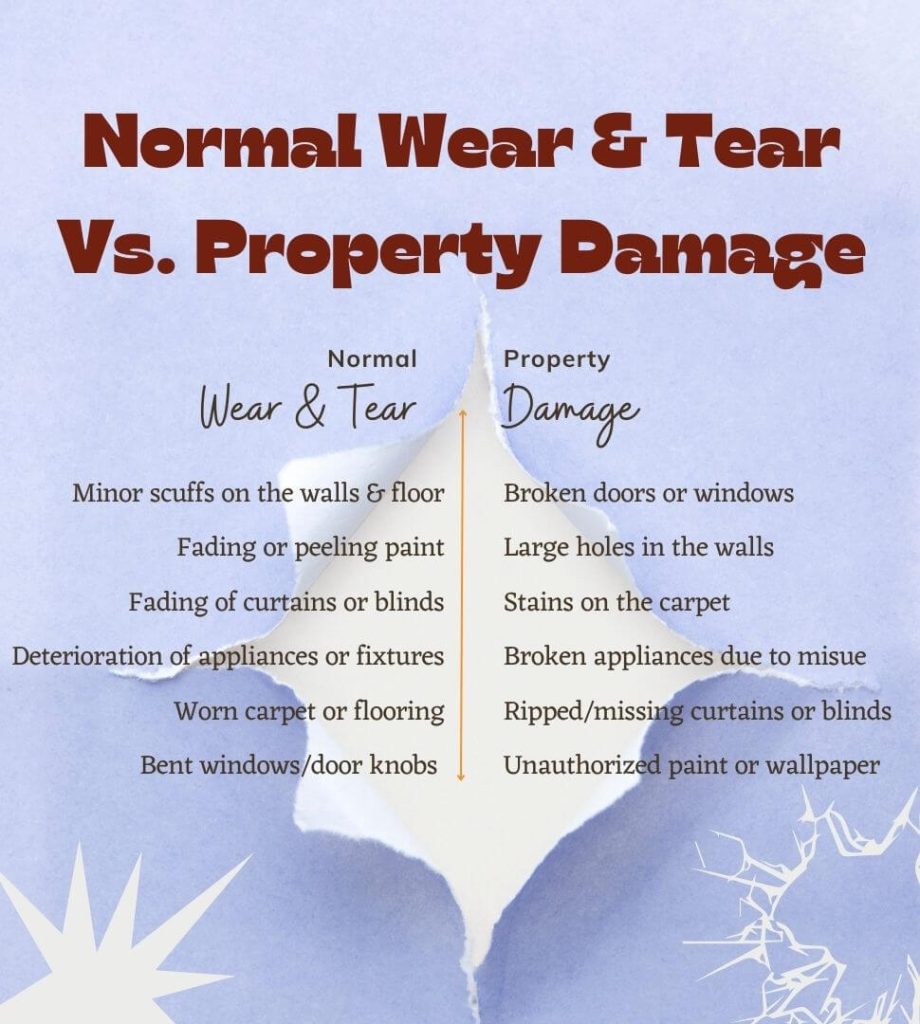
The distinction between normal wear and tear and property damage can be subjective and may vary depending on the circumstances and terms of the lease/rental agreement. Generally, tenants are responsible for covering repair costs of any property damage, while the landlord is responsible for covering the cost of wear and tear.
Get to know if a landlord can make the tenant pay for repairs.
How to Maintain Your Rental Property
It is the most important responsibility of a landlord to keep the rental unit in good condition. You should keep the unit in the best condition for current and future tenants. Also, you should know what constitutes normal wear and tear. It is an important part of maintaining your units.
Thus, you can also consider hiring a property manager who can assist in keeping the rental unit in top condition by overseeing maintenance and promptly addressing tenant concerns.
However, here are some steps for minimizing damages and dealing with them when they do occur.
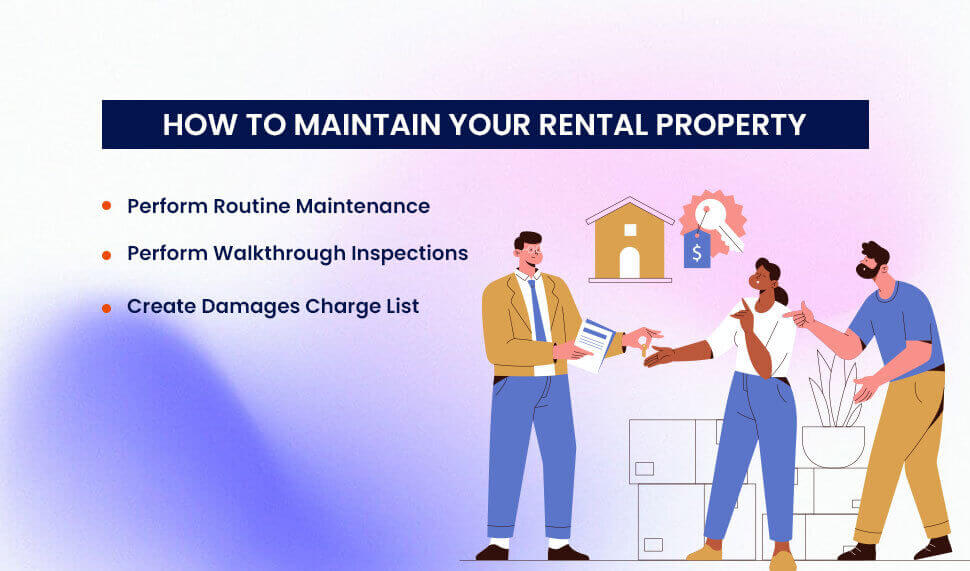
Perform Routine Maintenance
To ensure your rental property remains in excellent condition, create a comprehensive maintenance plan. By creating a plan, you can save yourself and your tenants’ time and money. Regularly address maintenance requests promptly, meet local building codes, and update appliances when needed. Consistently address any kind of maintenance requests from your tenants in a timely manner to prevent larger issues from developing down the line.
Perform Walkthrough Inspections
It is a smart move to conduct a thorough walkthrough inspection of a rental unit before and after a tenant moves in. This way, you can keep track of any damages that may exist. During the inspection, take detailed photographs and carefully document any issues. The documents and photographs can be presented as evidence if the tenant disputes any damage in court after moving out. Additionally, these photographs and documents can create a rental inspection checklist for tenants to sign before moving in.
Create a Damages Charge List
After conducting an inspection and documenting any damages after a tenant moves out, it’s important to create a detailed list outlining the damage’s nature and associated repair costs to cover repair costs. You need this list to withhold any money from the tenant’s security deposit. This list is required by law and must be as accurate and thorough as possible. If the property requires cleaning beyond standard wear, cleaning fees can also be included in the itemized list of deductions. You can prevent disputes between you and your tenant and ensure a fair resolution if you clearly understand the damages and repair costs.
Note: Understand managing your rental property if you’re stressed about property management.
Conclusion on Reasonable Wear and Tear
As a landlord, understanding what normal wear and tear are and what actual property damages helps avoid any kind of legal disputes. It also helps to maintain a good relationship with your tenants. Ensure you document the property’s condition before and after each tenant’s occupancy. Also, remember that wear and tear is unavoidable, and tenants can’t be charged for damages caused by it.
A property management company can help you avoid and deal with these issues. Contact OKC Home Realty Services, one of OKC’s best property management companies, if you have any queries. Call us 4052325800
Normal Wear and Tear in Rentals FAQs
Can a landlord charge for normal wear and tear?
No, a landlord cannot typically charge a tenant for normal wear and tear. The landlords can’t use the tenant’s security deposit to cover the costs of repairing ordinary wear and tear.
When can a landlord deduct fees from security deposit?
The landlord can only deduct fees from the tenant’s security deposit when there are damages or unpaid rent owed by the tenant during the end of the lease period.
Are nail holes considered wear and tear?
Yes, small nail holes from hanging pictures, posters, or light décor are typically considered normal wear and tear. These minor marks happen in almost every rental and usually don’t count as tenant damage.
However, if a tenant leaves multiple holes, oversized holes, or damage that requires patching and repainting, that can cross the line into chargeable damage. For a deeper breakdown of what qualifies as normal wear and tear versus actual tenant-caused damage, check out this guide on how to handle tenant damage in Oklahoma, it explains exactly what landlords can charge for and how to document it properly.
What is considered normal wear and tear after 5 years?
After 5 years, normal wear and tear in a rental property may include minor scratches or scuffs on the floors, faded paint, slight fraying of carpets, and minor signs of aging on fixtures and appliances. These are expected signs of use and are typically not the tenant’s responsibility to repair.
Does renter's insurance cover normal wear and tear?
No, the renter’s insurance does not cover damages that fall under normal wear and tear as these are expected deterioration of a property over time due to regular use.
Can a landlord refuse to return a security deposit for normal wear and tear when tenants move out of an apartment?
No, a landlord cannot refuse to return a security deposit for normal wear and tear when tenants move out of an apartment. You can only deduct from the security deposit for repairs that are necessary due to damage caused by the tenant’s negligence or abuse, but not for normal wear and tear.