(
(

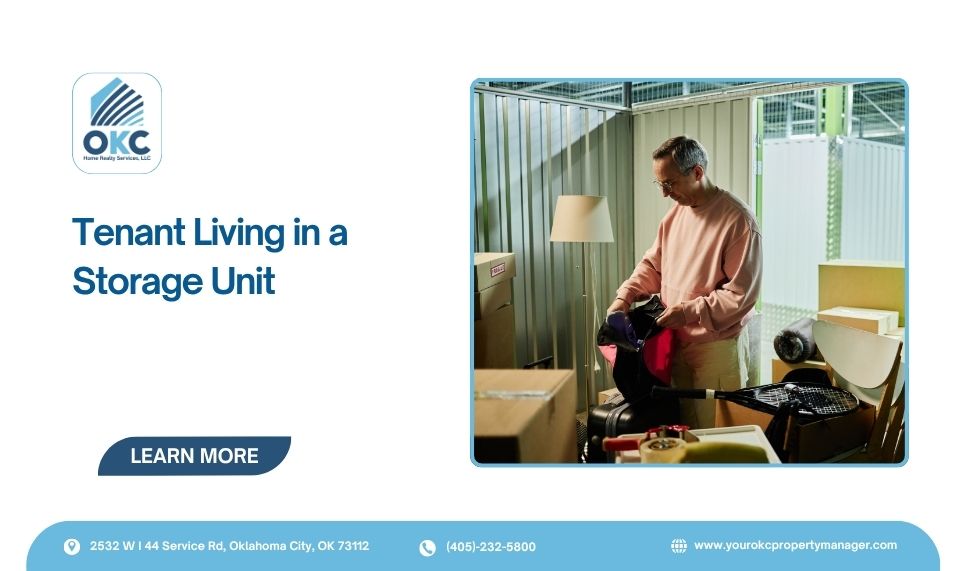

Have you noticed signs that someone might be living in a storage unit? While storage units are designed to store personal belongings, they can’t be used as living spaces. However, some people may try to use them as temporary housing, which can create safety, legal, and liability concerns.
As a property owner, identifying the signs of unauthorized living can help you address the issue early & protect your property. This allows you to address the issue promptly to avoid potential legal or safety concerns.
In this blog, you’ll learn the common signs of tenant living in a storage unit, what to do if you suspect unauthorized occupancy, and practical steps to help prevent it from happening in the future.
Is It illegal to Live in a Storage Unit?
Yes. In most states, it is illegal to live or sleep in a storage unit. Storage units are used for storing personal belongings, not for residential use. They do not meet the building, health, and fire safety standards required for people to live in. Living in a storage unit may violate state and local laws, zoning regulations, and the lease agreements. As a result, you could face lease termination, fines, or other legal consequences under landlord-tenant laws.
10 Signs Someone is Living in a Storage Unit
A single sign alone doesn’t mean someone is living in a storage unit. However, several unusual activities may indicate that the unit is being used as a living space.
Here are the common signs you need to watch out for.

1. Frequent Late-Night or Overnight Visits
One clear sign that someone might be living in their storage unit is frequent visits during late hours or overnight stays. Storage units are not designed or permitted for full-time habitation. If a tenant is constantly arriving there a lot when it’s late or on weekends, they might be using it as temporary housing. Increased activity during unauthorized hours warrants taking a closer look.
2. Personal Items Not Related to Storage
If you notice personal items like clothing, toiletries, food, bedding, furniture, or appliances that are not related to storage, it raises suspicion the tenant is using it as a living space. You can monitor this by conducting periodic checks of occupied units. You should be aware that some homeless individuals may try to disguise living necessities as stored things.
3. Changed Unit Interior Layout
Tenants changing the interior layout or setup of their storage unit indicate an attempt to make the space more liveable on a long-term basis. You should look for modified shelving, partitioned private rooms, additional lighting, and electrical wiring beyond basic storage organization. Tenants are free to customize units, but structural modifications indicate a more permanent residence than casual storage.
4. Increased Vehicle Traffic
Monitoring vehicle traffic and parking patterns is another way to spot potential illegal living situations. If you see many different vehicles coming and going over time, as opposed to just the tenant’s vehicle for storage access, it is clarified that multiple people are using that space often. Keep an eye on how many vehicles are parked near a unit and how long they stay there.
5. Rent Payment Irregularities
If a tenant often pays rent late or missed payments, compared to others, it might mean they are having money problems because they’re not living there in a proper way. Watch for late payments, asking for special favors, or not being able to give normal ID or reference papers. These payment problems don’t for sure show they live there, but it’s a reason to check more closely.
Also Read: Tenant Not Paying Rent? Here’s What To Do As a Landlord
6. Receiving Mail or Deliveries
A storage facility occupant receiving regular mail, packages, or other personal deliveries to the address of the facility where the unit is located indicates that it is their place of residence. Normally, people don’t use a storage unit address to get their mail. Getting mail there often shows that they might stay there for a long time, not just store things.
7. Evidence of Cooking or Home-Like Activities
If signs of cooking, such as small appliances or cooking utensils, are seen or close to a place, the tenant prepares meals there. Also, look for signs more aligned with daily living, like laundry, personal grooming, and lounging/relaxing, rather than just using the space to store stuff. These clues show that someone is living there, not just using it to store things.
8. Complaints or Reports from Neighbors
Pay attention if other tenants or public visitors to your storage facility complain about noise, disturbances, or strange activity from a particular unit after hours. Neighbors usually notice if there’s noise late at night, many visitors, or other things that bother them. These complaints are important because they are early signs of someone living in the unit without permission, and these repeated complaints can support eviction for noise complaints if the behavior continues.
Also Read: How to Deal with Noise Complaints in a Rental Property
9. Failure to Provide Alternate Contact Information
Tenants legally occupying storage units for possessions should provide landlord contact details beyond their own in case of emergency or inability to access the unit. If a tenant needs secondary contacts for you to reach them if needed, it implies they have no alternate address and depend on the storage unit as their sole residence rather than storage alone.
10. Asking to Extend Hours or Modify Rules
If someone renting a storage unit starts asking to change the rules or access hours in ways that aren’t usual for storing things, it might mean they’re trying to live there. If someone’s behavior or requests seem like trying to make the unit more like a home, it’s a sign to check how they’re using it. Big changes in how they want to use the unit should make you curious.
What To Do If You Suspect Someone Is Living in a Storage Unit?
If you observe signs suggesting a tenant might be living in their storage unit instead of using it for storage purposes, it’s important to take appropriate action. But, you should make sure everything you do is safe, legal, and fair, and you should be nice to the tenants. Here are some steps you can take:
- Politely discuss your concerns with the occupant and explain that storage is not intended for residential use under the facility’s rental agreement and rules.
- Keep every record of observable signs, including overnight activity, bedding, cooking equipment, or extended stays. Avoid making assumptions based on a single look.
- If unauthorized residential use is confirmed, follow the notice, lease termination, and other procedures required by the rental agreement and applicable law. Consult legal counsel if necessary.
- For safety and liability reasons, change unit access locks after vacancy once all personal items are cleared out. Thoroughly inspect and clean the vacated unit.
- Maintain discretion and confidentiality when addressing residential use to avoid embarrassing tenants unnecessarily. Explain the rules and give the occupant a respectful chance to comply.
- Don’t ever try to confront an occupant alone if you feel unsafe. Ask other staff members to assist you or call the appropriate authorities when required. Avoid entering the unit or physically removing the occupant yourself.
Also Read: Illegal Property Management Practices You Should Avoid
How To Prevent Renters From Inhabiting Your Storage Unit?
Preventing unauthorized people from living in a storage unit is easier than dealing with it later. Here are the 5 simple steps to help prevent people from living in storage units.
1. Strengthen Your Lease Agreements
One of the best ways to prevent people from living in storage units is to have a clear lease agreement. Make it clear to tenants that storage units are only for storing stuff, not for living. The lease should also explain the consequences of breaking this rule, which may include lease termination or legal action, depending on state law.
2. Implement Strict Security Measures
Strong security can help prevent people from living in storage units without permission. Install security cameras to monitor activity, use secure access systems, keep the facility well-lit, and conduct regular patrols to identify and address suspicious activity.
3. Educate Your Staff and Tenants
Make sure both your staff and tenants understand the rules. Train your staff to identify and report any suspicious activity that may happen in the property. Clearly explain to tenants that storage units are meant for storing things, not a place to live. Before signing the lease agreement, give a clear explanation of these rules.
4. Limit Comfort Amenities
Some basic amenities can make storage units more appealing for unauthorized living. To reduce this risk, limit access to electricity outlets where possible, avoid providing excessive heating or cooling, and keep an eye on shared facilities such as restrooms and water stations.
5. Inspect the Property
Regularly inspect your storage facility to help prevent unauthorized living. Look for any signs of occupancy, such as food, bedding, furniture, or electrical appliances. Also, watch out for any unusual activity, like frequent guest visits or extended stays.
Final Thoughts
Preventing people from living in storage units starts with clear lease agreements and proactive property management. Setting clear expectations in your lease terms, conducting timely inspections, maintaining strong security, and educating both tenants and staff help you reduce the risk of unauthorized occupancy.
Taking action early not only helps protect your property but also creates a secure environment for everyone. These simple steps can help secure your property and reduce legal, safety, and property damage risks.
FAQs About Unlawful Occupancy of Storage Units
Do I Need Permission to Enter a Renter's Unit?
Yes, tenants expect privacy even in a storage rental. You must provide advance written notice and get approval to enter except in emergencies affecting safety or significant property risk.
What if They Refuse to Leave After Warnings?
As a last resort, you can file for a formal eviction through the court system. Having thoroughly documented your case from the start is important for the eviction process. Pursuing legal termination avoids potential liability issues.
Can a landlord forcibly evict someone from a storage unit?
No, forcible self-help evictions are illegal. Even if residential occupancy violates policy, storage units cannot be treated like conventional housing due to different laws. Confronting or removing renters by force is strongly discouraged due to threats of charges like harassment, assault or improper eviction. Warn renters respectfully in writing first before involving authorities.