(
(

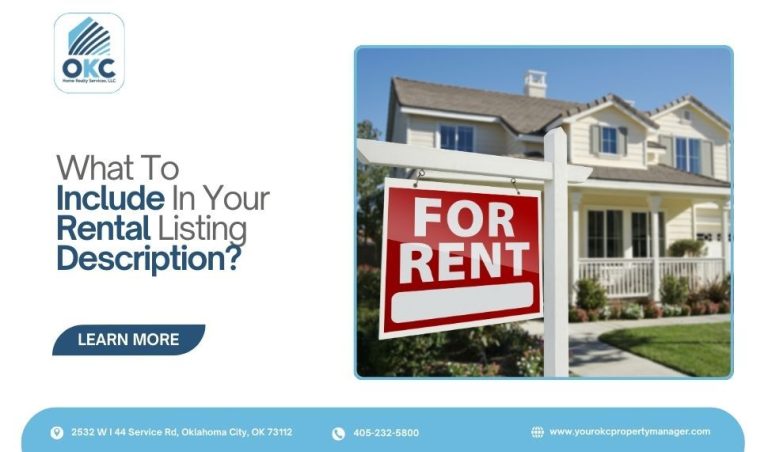

A well-written rental listing description is one of the most powerful tools landlords have to attract qualified tenants and reduce vacancy. An impressive rental listing explains the property, highlighting its best features, and structuring the information so tenants can quickly understand value and suitability. You need to include essential listing characteristics like bedrooms, bathrooms, square footage, condition, rent price, and location details, then connect these facts to lifestyle benefits so the reader can picture living there.
When you focus on how to write a rental listing with clarity and relevance, the description becomes a property description for rent that improves visibility, increases inquiries, and reduces vacancy time because tenants can evaluate the home without confusion or missing details. I have spent over 27+ years helping landlords turn generic listings into compelling property descriptions that attract qualified tenants.
In this blog, you’ll learn how to write a good rental listing description to attract serious renters without sounding salesy. I’ll give you a simple step‑by‑step approach, a practical rental listing description example, and a checklist you can reuse for any property description for rent.
Why Great Rental Listing Descriptions Matter?
A great rental listing description matters because it directly influences how quickly a property gets attention, how qualified the inquiries are, and how fast it moves from vacant to leased. In a competitive market like Oklahoma City, where the vacancy rate is 6.6%, an impressive rental listing description helps landlords to communicate value instantly and filter out mismatched leads early in the process.
Influence Tenant Decision
A rental listing description influences tenant decisions because it acts as the first screening tool before a showing ever happens. Tenants compare listing characteristics like price, bedrooms, condition, and location to decide if a property fits their needs. When information is clear and structured, tenants make faster decisions and submit more qualified inquiries.
Reduce Vacancy Time
Listing descriptions reduce vacancy time by filtering out unqualified leads early and attracting tenants who already match the property requirements. Clear communication of rent, layout, and features removes uncertainty and speeds up decision-making. Faster understanding leads to quicker applications and shorter time on market, thus avoiding the cost of vacancies.
Build Tenant Trust
Good descriptions build trust by presenting factual, transparent, and complete property information without exaggeration. Tenants rely on accuracy to avoid wasted visits or misaligned expectations. When a listing clearly describes the property for rent, it signals professionalism and increases the likelihood of serious inquiries.
Boost Online Visibility
Strong descriptions improve visibility because platforms like Zillow and Google match listings with user search intent based on relevance and clarity. When a listing includes accurate details and natural keywords, it becomes easier for search systems to categorize and rank it.
How Do You Write a Rental Listing Description for High Conversion?
A high-conversion rental listing description is built by ordering information in a way that matches how tenants scan and decide. You start with attention, then move into value, then deliver clear facts, and finally support interest with details that reduce uncertainty.
Step 1: Start with an Attention-Grabbing Headline
The headline creates the first impression and decides whether a tenant clicks or ignores the listing, so it must clearly communicate value in a short, direct phrase. A strong heading leads with the detail that makes your property stand out: the price, the location, a feature tenants actually care about, or a combination of all three. This helps tenants instantly understand what the property offers without needing to read further, which improves click-through rates and listing visibility.
Something like “Spacious 3 Bed/2 Bath in Edmond: Storm Shelter, Updated Kitchen, Available June 1st” tells a tenant exactly what they’re getting before they even open the listing. It answers the three questions every tenant asks immediately: what is it, where is it, and why should I care. This creates immediate relevance and encourages tenants to open the full listing, especially on competitive rental platforms where attention spans are short.
Step 2: Lead with your Property’s Best Feature
The opening sentence of the description should focus on the strongest feature of the property because early positioning shapes how tenants perceive value. This could be a renovated kitchen, a large backyard, modern finishes, or a prime location near schools or workplaces. When you start with impact, you anchor attention and increase the chance that readers continue through the entire listing instead of leaving early.
- Identify your property’s top 1-2 unique features.
- Place these features in the first two sentences.
- Use descriptive language that paints a picture.
- Focus on benefits, not just features (e.g., “natural light” becomes “sun-filled living spaces”).
For example, if the home has a recently updated kitchen, a private fenced yard, or an excellent location near transit, say that upfront: “Step into a fully updated kitchen with stainless appliances and bright cabinetry, just minutes from downtown OKC.” This approach immediately shows what the property description for rent delivers, rather than making the tenant wade through paragraphs first.
Step 3: Cover the Specs: Beds, Baths, Square Footage
After capturing attention, landlords need to present the core facts of the property, including bedrooms, bathrooms, square footage, and basic layout. These details act as decision filters for tenants, meaning people quickly decide whether the home is worth further consideration based on this information alone. This section should remain simple, factual, and easy to scan without extra description or promotional language.
What to include:
- Number of bedrooms and bathrooms
- Total square footage
- Property type (single-family, duplex, townhouse, apartment)
- Year built or “recently updated.”
- Parking details (garage spaces, driveway, street)
- Lot size for single-family homes
- HOA information, if applicable
Platforms like Zillow allow you to fill in many of these specs in dedicated fields, but that doesn’t mean you should skip them in the description itself. Be specific rather than approximate. “1,450 sq ft” is more credible than “spacious,” and “2-car attached garage” is more useful than “plenty of parking.”
Step 4: Describe the Interior and Recent Upgrades
Once the essential facts are clear, the listing should shift into interior details that increase perceived value and help tenants visualize the living experience. This includes flooring, paint, appliances, fixtures, and any recent renovations that improve comfort or usability. Specific details such as “stainless steel appliances” or “newly renovated bathroom” perform better than general statements because they create clearer mental images.
What to include:
- Kitchen appliances and upgrades (stainless steel, granite counters)
- In-unit laundry or connections
- HVAC system details
- Flooring types (hardwood, tile, new quality carpet)
- Updated bathrooms and fixtures
- Smart home features (thermostat, doorbell, locks)
- Storage solutions (walk-in closets, pantry)
Describing recent upgrades is especially important because it tells the tenant the property is well-maintained and that they won’t be dealing with aging fixtures or outdated aesthetics. Since tenants also often compare similar homes, visible improvements can influence final decisions.
Step 5: Highlight Outdoor Space and Safety Features
Outdoor space and safety features increase perceived usability and tenant confidence because they extend living areas and address practical concerns like privacy, storage, and security. You should clearly describe features such as yards, parking, and entry points, since these directly influence how tenants evaluate comfort and daily convenience.
What to include:
- Fenced yard details (privacy level, size, usability)
- Patio, balcony, or outdoor living space
- Garage, covered parking, or assigned parking
- Exterior lighting and visibility around entry points
- Secure entry features (deadbolts, gated access)
- Storage areas (shed, garage storage, exterior closets)
- Pet-friendly outdoor features (enclosed yard, space for pets)
Landlords should also prioritize features that match common tenant needs in your market, since relevance drives stronger engagement than volume. For example, in suburban areas, fenced yards and garages often increase demand, while in urban areas, secure entry and assigned parking carry more weight.
Step 6: Describe the Lifestyle and Neighborhood
Lifestyle and neighborhood details increase perceived fit because tenants evaluate commute time, access to amenities, and daily convenience before making a decision. Mention nearby grocery stores, restaurants, parks, trails, gyms, or entertainment if they add genuine value. If the property is close to a major employer, a university, a hospital, or a military base, name it as those details attract exactly the kind of stable, long-term tenants most landlords want.
What to include:
- Nearby grocery stores, retail centers, and restaurants
- Distance to major highways, transit routes, or commute hubs
- School districts or nearby educational institutions
- Parks, trails, and recreational areas
- Walkability or access to daily essentials
- Proximity to employment centers or business districts
- Local landmarks or well-known areas
When you connect the property to real-world routines like commuting, dining, or recreation, tenants can better visualize living there, which increases engagement and inquiry rates. Example: For properties in metro areas like Oklahoma City, mentioning proximity to corridors like the Kilpatrick Turnpike, I-35, or specific suburbs like Edmond or Moore can help the right tenant self-select.
Step 7: State Rent, Deposit, Lease Terms, and Pet Policy
Clear pricing and terms reduce uncertainty and filter qualified tenants more efficiently, which improves both inquiry quality and conversion rates. You should present rent, deposit, lease duration, and pet policy in a structured and transparent format, since incomplete or vague details reduce trust and lead to unqualified inquiries that slow down the leasing process.
What to include:
- Monthly rent amount
- Security deposit and any additional fees
- Lease duration (e.g., 6-month, 12-month)
- Application requirements or screening criteria
- Pet policy (allowed, restrictions, fees)
- Utilities responsibility (tenant vs landlord)
- Move-in costs and availability date
Effective listing descriptions remove uncertainty by stating exact amounts, durations, and conditions instead of leaving room for assumptions. For example, specifying “$1,500/month rent with a $1,500 deposit and 12-month lease” provides immediate clarity. When tenants can quickly confirm affordability and eligibility, they are more likely to proceed with scheduling or applying.
Step 8: End with a Clear Call to Action and Application
The final step in how to write a good rental listing is to tell the reader exactly what to do next with a strong “Call to Action” (CTA). Your call to action is the bridge between a tenant who’s interested and a tenant who actually reaches out, and it needs to be direct, easy to follow, and placed at the very end of your description where a motivated reader naturally lands. Tell them exactly what you want them to do: schedule a showing, submit an application, call a number, or click a link.
What to include:
- Clear action step (apply, call, schedule a tour)
- Contact method (phone, email, online portal)
- Link or instructions for application submission
- Availability for showings or open house details
- Response time expectations (e.g., same-day replies)
Strong listings reduce friction by explaining exactly how to move forward and what to expect next. For example, phrases like “apply online today” or “schedule a showing now” create urgency and direction. When the process feels easy and immediate, tenants are more likely to act before moving on to other listings.
How to Improve Rental Listing Performance and Increase Tenant Leads?
Improving rental listing performance requires clear communication, fast response time, and alignment with how tenants search and evaluate properties online. These tips focus on increasing visibility, readability, and conversion rates by optimizing both content quality and listing behavior across platforms like Zillow and Google.
1. Use Simple Language and Tone
Write in plain, everyday language that anyone can understand, avoiding jargon and overly formal phrases. You should avoid complex wording and instead describe features in clear, direct terms that match how renters think and search. Simple language improves readability and helps tenants quickly understand the property without confusion.
2. Be Specific About Listing Characteristics
Include clear details like beds, baths, square footage, parking, pet policy, and any upgrades or limitations without vague descriptions. Specificity builds credibility and helps your rental real estate listing description appear in niche searches when tenants use filters for high-end finishes, specific materials, or unique architectural styles.
3. Use Virtual Tours
If possible, addideo walkthroughs or 3D tours so tenants can experience the home before committing to a visit, as they provide a more realistic view than photos alone. This upfront transparency increases confidence and often leads to more serious inquiries and faster lease decisions. You can check our guide on how a virtual tour is different from an in-person showing when marketing your rental property.
4. Keep It Concise and Easy to Scan
Break your description into short paragraphs, structured sections, use line breaks, and avoid long blocks of text so it’s easy to navigate and read on mobile. Concise formatting improves user experience because tenants typically scan listings instead of reading every word, which helps them quickly find key details, and increases retention and engagement.
5. Use at Least 10 High-Quality Photos
Include at least 10 well‑lit, in‑focus photos that show the main rooms, kitchen, bathrooms, outdoor space, and any standout features. Lead with the kitchen or main living area, shoot during the day with natural light, and make sure every room is clean and staged before you photograph it. Properties with quality photos rent 32% faster because tenants rely on visuals to assess property condition and layout.
6. Respond to Every Inquiry Within 1 Hour
Fast response time increases conversion because tenants often contact multiple listings at once and move forward with the first responsive option. You should aim to reply within one hour to maintain interest and capture leads before they move on. If you can’t reply within an hour, use an auto‑reply that sets an expectation and then follow up promptly.
7. Use the Search Terms Tenants Actually Type
Using relevant search terms improves visibility because platforms match listings to user queries based on keywords. Include natural phrases like “2-bedroom apartment” or “pet-friendly home” within the description, but avoid keyword stuffing. Writing a rental listing that uses the language your target tenant actually types into a search bar improves visibility on both rental platforms and Google.
8. Optimize Your Listing Title for Platform Search Filters
Write a title that clearly states the property type, beds/baths, and key location or features, such as “3-bedroom home with garage,” to match search filters. Many platforms rely on filters such as price, bedrooms, and property type, so a well‑optimized title stands out in search results and Zillow‑style filters, making it more likely tenants will click through and read your full description.
9. Proofread Before Publishing
Always proofread and check for typos, missing numbers, or outdated details before publishing your rental listing. Mistakes can make a property appear less credible, while a clean, error-free listing builds immediate trust and shows that you are a professional and detail-oriented landlord who takes care of their properties and their tenants.
10. Refresh Your Listing Every 7 Days
If a property isn’t leasing quickly, revise the description, tweak the headline, or update photos to keep it looking fresh and active. Regular updates improve visibility because many platforms prioritize recently updated listings in search results. It tends to rank better and receive more algorithmic exposure, helping you reconnect with tenants who may have passed it over the first time.
Effective Rental Listing Description Examples
A great rental listing description combines clear structure, specific property details, and benefit-driven language so tenants can quickly understand value and take action.
Example 1:
Spacious 3BD/2BA Home in Moore, OK with Fenced Backyard, Storm Shelter, Updated Kitchen | $1,450/mo
This well-maintained home sits on a quiet street in Moore and features an open-concept living area with new luxury vinyl plank flooring throughout the main living space, installed in 2023. The kitchen was fully updated with stainless steel appliances, new countertops, and a large pantry, perfect for anyone who actually uses their kitchen.
Property specs: 3 bedrooms | 2 full bathrooms | 1,380 sq ft | 2-car attached garage | Central heat and air
The fully fenced backyard is large enough for kids and dogs, with a covered patio for outdoor seating and a storm shelter accessible from the backyard. The neighborhood is quiet and residential, with Moore Public Schools, grocery stores, and the I-35 corridor all within 10 minutes.
Rent: $1,450/month | Deposit: $1,450 | 12-month lease | Available June 1st
Pets welcome: Dogs and cats up to 40 lbs | $300 pet deposit | No aggressive breeds
Ready to see it in person? Schedule a showing directly at [link] or text us at [number]. Applications are reviewed on a first-come, first-served basis, serious inquiries only.”
Example 2:
Affordable 3BD/1BA Home in Midwest City with Fenced Yard, Off-Street Parking, Move-In Ready | $995/mo
This clean, well-kept home is a great fit for anyone looking for an affordable rental in a convenient Midwest City location. The layout is straightforward and functional; three bedrooms with good closet space, a full bathroom, a comfortable living room, and a kitchen with plenty of cabinet storage. The home has been freshened up with new paint throughout and professionally cleaned between tenants.
Property specs: 3 bedrooms | 1 full bathroom | 1,020 sq ft | Off-street driveway parking | Window AC units | Gas heat
The fenced backyard is a good size for kids or a dog and includes a small storage shed. The neighborhood is quiet and residential, with easy access to Tinker Air Force Base, Scott Medical Center, and the I-40 corridor, making it a solid commute base for anyone working on the east side of the metro.
Rent: $995/month | Deposit: $995 | 12-month lease preferred | Available now
Pet-friendly: Up to 2 pets welcome with a $300 deposit + $35/month each.
Ready to apply? This upgraded home won’t last! Contact OKC Home Realty Services at (405) 232-5800 or visit our website to schedule your private showing today.
The Ultimate Rental Listing Description Checklist for Landlords
A structured checklist ensures your rental listing includes every critical element tenants expect, which improves clarity, trust, and conversion rates. Here is a complete checklist for what to include in a rental listing description:
☐ Bedrooms, bathrooms, and square footage clearly stated
☐ Property type defined (house, apartment, duplex)
☐ Layout or floor plan described
☐ Interior upgrades listed (appliances, flooring, fixtures)
☐ Storage, parking, and laundry details included
☐ Outdoor space described (yard, balcony, patio)
☐ Nearby stores, restaurants, and daily essentials mentioned
☐ Commute routes or major roads included
☐ Schools, parks, or local landmarks referenced
☐ Monthly rent clearly stated
☐ Security deposit and fees outlined
☐ Lease terms and availability date included
☐ Pet policy and restrictions defined
☐ Utility responsibilities clarified
☐ No discriminatory or restricted language used
☐ All claims are accurate and verifiable
☐ Language is simple and easy to read
☐ Clear and descriptive headline written
☐ Keywords used naturally within the description
☐ Content formatted for easy scanning
☐ Clear next step provided (apply, call, schedule)
☐ Contact method included
☐ Application instructions explained
☐ Direct application link or showing scheduling link
☐ At least 10 high-quality photos
☐ Virtual/ 3D tours
What Should You Never Include in a Rental Listing?
You should never include discriminatory language, misleading claims, or incomplete information in a rental listing because these reduce trust, violate regulations, and lower conversion rates. A strong property description for rent stays factual, compliant, and clear, while avoiding anything that creates confusion or legal risk.
Discriminatory or Non-Compliant Language
You should never describe your ideal tenant or use phrases that express a preference based on race, religion, sex, familial status, or disability, which violates the Fair Housing Act. Avoid seemingly phrases like “perfect for a quiet couple” or “ideal for students,” as these can be interpreted as discriminatory against families or other protected groups. As a landlord, you must abide by the law and avoid illegal things to never write in a rental ad to prevent creating legal risk leading to penalties or listing removal from platforms.
Misleading or Exaggerated Claims
You should not include claims that cannot be verified, such as overstating upgrades or describing the property inaccurately, so if major repairs are needed, disclose them honestly instead of pretending they don’t exist. Misleading descriptions reduce trust and often lead to negative tenant experiences, which can damage reputation and reduce long-term performance.
Missing or Incomplete Property Information
Landlords should not leave out key details like rent price, deposit, or lease terms because tenants rely on this information to make decisions. Don’t say “low fees” or “reasonable deposit” without specifics. Tenants want transparency; unclear terms make them suspicious and less likely to respond seriously.
Personal Opinions or Emotional Language
You should avoid subjective or emotional phrases that do not add factual value, such as “beautiful home” or “amazing neighborhood” without context, and also avoid phrases like “my beloved home” or “I only rent to responsible people.” Tenants respond better to specific, measurable details that help them evaluate the property objectively.
Irrelevant or Unnecessary Information
Landlords should not include unrelated details that do not help tenants understand the property, such as personal stories or excessive background information. By cutting out the filler and focusing on tangible listing characteristics, you provide a much clearer picture of the home’s actual value while improving readability and ensuring tenants can quickly find what matters most.
Transform Listings into Leases with OKC Home Realty Services
Property owners can write a good rental listing by clearly stating property details, leading with the most attractive feature, organizing information in a logical flow, and ending with a direct call to action that tells tenants how to apply or schedule a showing. When you use simple language, avoid misleading claims, and keep the listing easy to scan, you improve visibility, increase inquiries, and shorten vacancy time for every property description for rent.
If you want consistent results without trial and error, OKC Home Realty Services can handle the process for you. Their team applies proven methods for how to write a rental listing, optimize pricing, and market properties across high-traffic platforms to increase exposure and lead quality. From writing and marketing your listing to screening tenants and managing the lease, we take the entire process off your plate.
Ready to fill your vacancy? Contact us today and schedule a free consultation to get your property rented the right way.
FAQs
How to write an impressive rental listing description?
Start with a compelling headline featuring beds/baths, price, and key perks. Lead with top features, specs, amenities, location, pricing, rules, photos, and a strong CTA.
Who writes property descriptions?
For independent rentals, the landlord typically writes the description. However, if you hire a professional management company like OKC Home Realty Services, a dedicated marketing specialist writes the listing. We use SEO strategies and local market data to craft descriptions that rank high on search engines and attract better tenants.
What not to say when selling a house?
Avoid vague fluff (nice neighborhood), negatives (needs TLC), discriminatory language (e.g., perfect for families only), or unverified claims. For rentals, skip ‘no Section 8’ to comply with fair housing.
How long should a rental listing description be?
An ideal rental property listing should typically fall between 150 and 250 words. This length provides enough space to highlight unique listing characteristics and local amenities without overwhelming the reader. Since many tenants browse on mobile devices, aim for a concise narrative that uses bullet points for technical specs, ensuring the most vital information is scannable within the first few seconds of viewing.
How to describe a neighborhood in a rental ad?
To write a property description for rent that sells the area, focus on commute, convenience, and lifestyle rather than generic praise. Mention nearby grocery stores, schools, parks, transit options, and major employment hubs so tenants can picture everyday routines. Instead of saying “great neighborhood,” be specific and describe walkability, safety, nearby amenities, and any local landmarks that give a real‑world sense of place.
How to write a rental ad for a pet-friendly home?
Start by clearly stating that pets are allowed and any key conditions (breed/weight limits, number of pets, fees, and deposit) early in the description. Highlight pet‑friendly features such as a fenced yard, nearby dog parks, or pet‑wash stations. Avoid vague language like “pets considered”; instead, give tenants a straightforward, predictable policy so pet owners can self‑screen confidently.
What do tenants look for in a rental listing?
Most tenants care about location, affordability, safety, and clear information. They want to quickly see rent, deposit, lease terms, pet policy, beds/baths, parking, and any unique perks like outdoor space or upgrades. They also pay attention to photos, responsiveness, and how easy it is to visualize their daily life in the property. Listings that answer these silently asked questions tend to get more serious inquiries.
How often should you update a listing?
Refresh your listing every 5–7 days if the property hasn’t leased, either by tweaking the headline, tightening the description, updating photos, or adjusting pricing language. Many platforms give a small visibility boost to recently updated listings, so periodic edits help you stay visible to tenants who may have scrolled past them earlier.
Should you mention a resident benefits package in your rental listing?
Yes, briefly and clearly. A resident benefits package can be a strong differentiator if tenants understand what it includes (e.g., maintenance guarantees, renter‑insurance perks, or move‑in incentives). Keep the language simple and benefit‑oriented, and place it near the middle or end of the description so it supports, rather than distracts from, the core property details.

Author
Scott Nachatilo is a licensed real estate broker and Certified Property Manager with over 27+ years of experience in Oklahoma’s real estate market. He holds a Master’s Degree in Geology from the University of Missouri and is a proud NARPM member. He is also a co-author of Weekend Warriors Guide to Real Estate (2006). Scott founded OKC Home Realty Services to help landlords and investors across Oklahoma City maximize their returns and enjoy a stress-free property ownership experience.