(
(

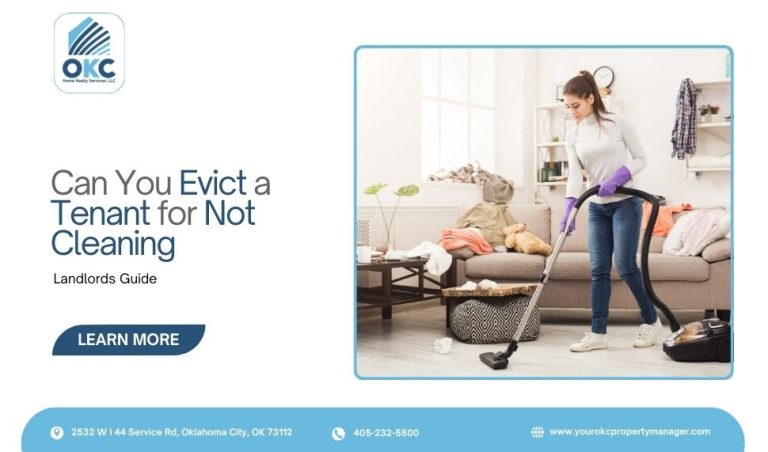

When dealing with messy tenants, you might wonder if you can evict a tenant for not cleaning your rental property. Yes, you can, but only under specific conditions: whether the uncleanliness violates your lease terms, causes property damage, or creates health and safety hazards. You can’t evict simply because a tenant has dishes in the sink or laundry on the floor. However, when poor cleaning habits lead to pest infestations, mold growth, or structural damage, you have legal grounds to act.
Working in the real estate industry for over 27+ years, many landlords have asked me this: “Can you evict a tenant for being messy?”, and every time my answer is the same: first, understand the difference between simple messiness, normal wear and tear, and actionable neglect.
In this guide, I’ll break down when cleanliness becomes grounds for eviction, specific laws, proper eviction procedures, and special exception cases so that you can protect your property while being legally compliant.
Key Takeaways
- You can only evict when uncleanliness violates specific lease terms, causes property damage, or creates health/safety hazards.
- Your lease must contain explicit cleanliness standards. Generic “keep clean” clauses won’t hold up in courts.
- Follow Oklahoma’s exact notice requirements. 10-day notice for curable violations, 5-day notice for irremediable harm.
- Never use self-help eviction tactics like changing locks or shutting off utilities.
- Proceed with caution if the tenant shows signs of a hoarding disorder, as this is often protected under Fair Housing laws and requires a different legal approach.
- Successful evictions require proof. Always document the property’s condition with dated photos, inspection reports, and written communication.
When Not Cleaning Becomes a Lease Violation?
Not every dirty retal qualifies as a lease violation. As a landlord, you must distinguish between a tenant who is simply disorganized and one who is actively violating their contract.
Here is when a lack of cleanliness becomes a valid lease violation:
Specific lease language is violated: If your lease clearly states that tenants must maintain the property in a clean, sanitary, and safe condition, ignoring these terms may constitute a material lease violation.
Health and safety standards are compromised: When excessive filth attracts rodents, cockroaches, or other pests, it becomes a health hazard. Standing water, rotting food, or excessive garbage that violates local health codes gives you legal grounds to act.
Property Damage Results from Neglect: If uncleanliness causes actual damage, stains that penetrate flooring, mold growth from excessive moisture, or odors that require professional remediation, this exceeds normal wear and tear.
Safety Hazards: Blocked exits, fire hazards from accumulated debris, or unsanitary conditions that endanger other tenants or the property structure become material lease violations.
Repeated Written Warnings Are Ignored: When tenants fail to comply after receiving proper notice to cure, you gain a stronger legal footing for further action.
Messiness vs Health and Safety Hazards: What Constitutes ‘Inacceptable’ Cleanliness?
You often walk a thin line between respecting a tenant’s right to privacy and protecting your investment. So, you need to understand what a landlord can look at during an inspection. Generally, a tenant’s lack of housekeeping only becomes “unacceptable” when it threatens the physical structure of the property and creates general health risks.
| Category | General Messiness (Usually Not Evictable) | Health & Safety Hazard (Potentially Evictable) |
| Clutter & Belongings | Piles of laundry, unmade beds, or disorganized closets. | Hoarding that blocks windows, doors, or hallways, creating a fire escape hazard. |
| Kitchen Condition | Dirty dishes left in the sink for a day or a cluttered countertop. | Rotting food left out, grease buildup on the stove (fire risk), or signs of cockroach/rodent infestation. |
| Garbage Disposal | A full trash can that needs to be taken out. | Piles of garbage bags inside the home, leaking fluids, or trash accumulation that attracts pests. |
| Odors | Stale air, cooking smells, or general “lived-in” scents. | Strong odors of ammonia (pet urine), decay, mold, or rotting organic matter that permeate walls/carpets. |
| Bathroom & Moisture | Soap scum on tiles, hair in the sink, or toothpaste on the mirror. | Visible black mold on walls/ceilings due to lack of ventilation, or untreated standing water. |
| Flooring | Dusty floors, scattered toys, or minor scuffs. | Animal feces or urine on carpets, or stains that have penetrated the subfloor. |
State Laws Regarding Tenant Cleanliness and Eviction Grounds
While every state has different standards, Oklahoma provides specific statutory guidelines on the cleanliness obligations of tenants. Oklahoma’s Residential Landlord and Tenant Act (Title 41, Sections 101-136) establishes the legal framework for tenant cleanliness obligations and eviction procedures. Understanding these statutes protects you from wrongful eviction claims while giving you clear authority to address genuine property damage.
Landlord’s Right to Inspect Property Cleanliness
Under Oklahoma Statute § 41-128, landlords have the right to enter the rental property to inspect the premises, but you must follow strict protocol to avoid claims of harassment or entering without permission.
Notice Requirements: You must provide reasonable notice, typically 25-48 hours, except in emergencies. While Oklahoma law doesn’t specify an exact timeframe, courts generally uphold a 24-hour notice as reasonable.
Reasonable Time: Entry must occur at reasonable times (typically normal business hours).
Purpose:
- Routine property condition assessments
- Investigating potential lease violations
- Showing property to prospective tenants or buyers
- Making necessary repairs or improvements
- Responding to emergencies
Tenant Responsibilities for Maintaining a Clean Rental Property
Tenants often believe their only duty is to pay rent. However, Oklahoma law, specifically § 41-127, outlines specific “Duties of Tenant” that directly relate to cleanliness and hygiene.
Statutory Cleanliness Obligations:
- Keep premises as clean and safe as conditions permit.
- Dispose of trash and rubbish in a clean and safe manner.
- Use plumbing, electrical, and HVAC facilities properly.
- Not deliberately or negligently damage the property.
- Comply with building and housing codes affecting health and safety.
Material Noncompliance vs. Irremediable Harm
When tenants noy cleaning property, leading to cleanliness standards violations, set by law or your lease, you generally have two legal paths under OS § 41-132, which determines your eviction timeline and approach.
| Feature | Material Noncompliance (Curable) | Irremediable Harm (Immediate) |
| Legal Basis | 41 O.S. § 132(B) | 41 O.S. § 132(C) |
| Definition | Violations that substantially affect health, safety, or habitability but can be corrected by cleaning, repair, or replacement. | A violation that causes imminent and permanent damage to the property or threatens safety. |
| Cleanliness Examples | Minor pest problems, accumulated trash, and mildew that can be cleaned. | Severe mold requiring wall replacement, structural damage, and biohazard contamination. |
| Required Notice | Notice to Cure (10/15 Day Notice) | Immediate Notice of Termination |
| Timeline | You must give the tenant 10 days to fix (cure) the issue. If fixed, the lease continues. If not fixed, the lease terminates in 15 days. | The lease terminates immediately upon receipt of the notice. You can file for eviction straight away. |
| Proof Required | Photos, inspection reports, violation notices. | Professional estimates for repairs, health department citations, expert assessment. |
| Landlord Action | If the tenant cleans up, you cannot evict. However, if they repeat the same violation within 6 months, you can evict them immediately. | You file a forcible entry and detainer action immediately. No opportunity to cure is required. |
What Legal Steps Must a Landlord Follow to Evict for Cleanliness Issues?
Evicting a tenant for cleanliness is more complex than other legal reasons for eviction, like non-payment of rent. Because “cleanliness” can be subjective, you must follow the legal procedures precisely to avoid your case being dismissed in court.
Step 1: Document the Cleanliness Violations Thoroughly
Before any legal action, build an ironclad evidence file. Courts require proof that conditions violate your lease terms and health/safety standards, so I recommend you use a professional property inspection.
- Timestamped photographs from multiple angles
- Video walkthroughs showing the full extent of issues
- Written descriptions with specific details (locations, odors, pest sightings)
- Copies of previous warnings or communications about the issue
- Witness statements from neighbors, maintenance workers, or inspectors
Step 2: Review Your Lease Agreement for Cleanliness Clauses
Your lease must explicitly address the cleanliness standards the tenants violated to avoid unnecessary landlord-tenant disputes.
- Specific cleaning and maintenance requirements
- Trash removal frequency expectations
- State consequences for violations clearly
- Mention who is responsible for pest control
Step 3: Issues the Appropriate Written Notice
State law requires specific notice types depending on the severity.
For Material Noncompliance (Curable Violations):
- Issue a 10-Day Notice to Comply or Vacate.
- Must specifically describe the lease violation.
- State what actions the tenant must take to remedy.
For Irremediable Harm (Severe Damage):
- Issue an Immediate Notice of Termination.
- No opportunity for the tenant to fix the problem.
- Requires immediate vacation of premises.
Step 4: Allow Tenant Opportunity to Remedy (If Applicable)
For material noncompliance notices, tenants get 10 days to correct violations.
- Don’t interfere with the tenant’s remediation efforts.
- Allow reasonable access for cleaning or repairs.
- Accept good-faith compliance attempts.
Follow-Up Inspection: Schedule a documented inspection on day 10 or 11. If conditions meet lease standards, the eviction stops. If not, proceed to court.
Step 5: File the Eviction Lawsuit (Forcible Entry and Detainer)
If the tenant has not cleaned the property by the 15th day and refuses to move out, file your eviction lawsuit in the district court where the property is located.
Required Filing Documents:
- Original lease agreement with highlighted cleanliness clauses
- All photographic and video evidence
- Proof of proper notice delivery
- Timeline of events and previous warnings
- Repair estimates or professional assessments
- Witness testimony, if available
Step 7: Obtain and Execute the Writ of Possession
If you win, the court issues a judgment and writ of possession allowing sheriff-supervised removal.
Post-Judgment Process:
- Judgment is typically immediate or within 48 hours.
- Tenant may have 5-10 days to vacate voluntarily.
- If the tenant doesn’t leave, request a writ of execution.
- Sheriff schedules physical eviction (typically 7-14 days out).
What You CANNOT Do:
- Change locks before sheriff-supervised eviction.
- Remove the tenant’s belongings yourself.
- Shut off utilities to force the tenant out.
- Physically intimidate or threaten the tenant.
Check out what happens if a landlord loses an eviction case to know what to expect if you lose the messy tenant eviction case.
Important Exception: Hoarding vs. Poor Housekeeping
Did you know that hoarding is considered a mental health condition linked to anxiety, OCD, and trauma? Under the Fair Housing Act and the Americans with Disabilities Act, hoarding may qualify as a disability, requiring landlords to provide reasonable accommodation before pursuing eviction.
Poor housekeeping is a choice; tenants simply neglect cleaning duties they’re capable of performing. This violates lease terms and provides straightforward eviction grounds.
Hoarding disorder is a compulsive mental health disorder where the tenant is psychologically unable to discard items. Tenants experiencing hoarding may be protected under disability discrimination law, even when their behavior causes property damage.
When can you evict a hoarder?
Disability laws do not require accepting a property that is unsafe. You can still proceed with early lease termination if:
- The tenant agrees to a plan but fails to follow through.
- The hoarding creates an imminent safety hazards that endanger other residents.
- The tenant denies the issue and refuses to engage in the accommodation process.
How Property Managers Handle Tenant Not Cleaning Property
As we’ve covered, you can evict a tenant for not cleaning, but only when uncleanliness violates specific lease terms, creates health or safety hazards, or causes property damage. You must follow the exact legal procedures, including proper notice, through documentation, and allowing remedy opportunities when required.
At OKC Home Realty Services, we’ve spent over 15+ years mastering these situations for landlords across Oklahoma City, Edmond, Norman, Moore, and surrounding areas. Our comprehensive property management services prevent most cleanliness issues through regular property inspections, clear lease language, and proactive tenant communication.
Ready to eliminate tenant headaches? Schedule your free owner consultation today and discover how professional property management makes ownership stress-free and profitable.
FAQs
How messy is too messy for a landlord?
There is a clear legal difference between messy and hazardous. A landlord cannot penalize a tenant for general clutter, laundry piles, or an unmade bed. However, a unit becomes too messy when the condition violates health codes or causes physical damage to the property.
How to deal with a messy tenant?
Start by documenting the issue during a routine inspection. Take clear photos of the specific hazards. Send a formal written warning detailing exactly what needs to be fixed. If the tenant ignores the warning, you must serve a formal 10-Day Notice to Cure, giving them a deadline to clean up or face lease termination.
Can landlords evict for unsanitary living conditions?
Yes, but only if the conditions are severe enough to be considered Material Noncompliance with the lease. You cannot evict immediately; you must first provide the tenant with a Notice to Cure, allowing them time to fix the problem. If they fail to do so, you can proceed with eviction.
How do I ask tenants to clean up?
Send a professional letter or email citing the specific clause in your lease agreement that they are violating, and be very specific.
Can a landlord give notice to clean before starting eviction?
Not only can you, but in most cases, you must. Oklahoma law generally requires landlords to serve a written notice giving the tenant 10 days to correct the cleanliness issue. You can only file for eviction if the tenant fails to clean up within that window.
Are tenants required to clean?
Yes. Under the Oklahoma Residential Landlord and Tenant Act, tenants are legally required to keep their dwelling unit safe, clean, and sanitary.

Author
Scott Nachatilo is a licensed real estate broker and Certified Property Manager with over 27+ years of experience in Oklahoma’s real estate market. He holds a Master’s Degree in Geology from the University of Missouri and is a proud NARPM member. He is also a co-author of Weekend Warriors Guide to Real Estate (2006). Scott founded OKC Home Realty Services to help landlords and investors across Oklahoma City maximize their returns and enjoy a stress-free property ownership experience.