(


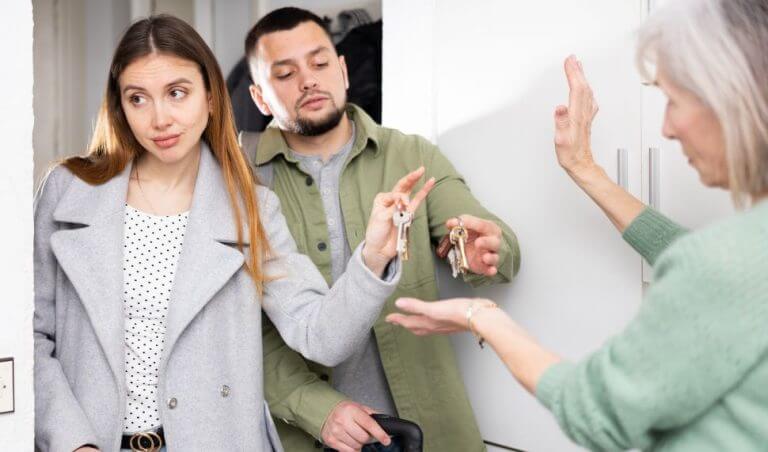

Managing a rental property in Oklahoma isn’t always smooth. Disagreements over rent, maintenance, or lease terms are common, but repeated threats, intimidation, or aggressive behavior from a tenant can turn an ordinary dispute into a serious problem.
Tenant harassment can put your safety at risk, damage your property, and make managing your rental more difficult. Knowing the difference between a tenant complaint and actual harassment is important before deciding how to respond.
In this guide, we’ll explain what tenant harassment looks like, the warning signs to watch for, and how Oklahoma landlords can prevent tenant disputes by following Oklahoma landlord-tenant laws.
What Is Considered Tenant Harassment?
Tenant harassment occurs when a renter repeatedly threatens, intimidates, or behaves aggressively toward a landlord or property manager. It can involve threatening messages, verbal abuse, stalking, unwanted physical contact, or intentional property damage.
For example, a tenant who repeatedly threatens you over the phone, follows you to your workplace, or damages your property to intimidate you may be engaging in harassing behavior.
However, disagreements about rent, repair requests, security deposits, or lease terms do not automatically count as harassment. Tenants have the right to raise legitimate concerns and exercise their legal rights.
7 Signs Your Tenant Is Harassing You
Tenant harassment can take different forms, from threatening behavior to unwanted communication to action that puts property owner’s safety at risk. Here are seven warning signs landlords should watch for.
1. Threatening Messages or Phone Calls
A tenant repeatedly sends hostile messages or makes threatening phone calls to intimidate you. These communications may include threats of physical harm, property damage, or other aggressive statements.
For example, a tenant may send repeated messages threatening to hurt you if you do not meet their demands.
2. Verbal Abuse and Intimidation
A tenant uses insulting, aggressive, or threatening language to scare you or pressure you into doing something.
This behavior may include shouting, making personal threats, using abusive language during conversations, or deliberately creating confrontations when discussing rental matters.
3. Excessive and Repeated Contact
A tenant repeatedly calls, texts, emails, or contacts you through social media to disturb or pressure you.
For example, they may send dozens of messages within a short period, repeatedly contact you late at night without an emergency, or continue sending abusive messages after you have asked them to stop.
Frequent contact about legitimate maintenance or rental concerns is not harassment by itself. The nature, frequency, and purpose of the communication matter.
4. Stalking or Following You
A tenant repeatedly follows you, monitors your movements, or appears at places where you have not invited them. This may include showing up at your home or workplace without a legitimate reason, following your vehicle, or watching your personal activities to intimidate you.
Repeated unwanted behavior that makes you feel unsafe should be taken seriously. Depending on the circumstances and applicable Oklahoma law, you may be able to seek a protective court order to protect yourself from threats and unwanted contact.
5. Unwanted Visits and Physical Confrontations
A tenant repeatedly visits your home, workplace, or other private locations to confront you about rental matters.
They may also approach you aggressively, block your way, invade your personal space, or attempt unwanted physical contact.
A tenant visiting the rental property or contacting you through agreed communication channels is not automatically harassment. The concern is repeated, unwanted, or threatening behavior.
6. Intentional Property Damage
A tenant deliberately damages your rental property or personal belongings to threaten, intimidate, or retaliate against you.
Examples may include:
- Breaking windows or damaging doors.
- Vandalism, such as defacing walls or other property.
- Destroying appliances or fixtures intentionally.
- Damaging your vehicle or personal belongings.
- Document any suspected intentional damage with photographs, videos, repair records, and other available evidence.
7. Threats Against You, Other Tenants, or Your Property
A tenant makes direct or indirect threats against you, your family, other residents, or your rental property.
For example, they may threaten physical violence, threaten to damage the property, or use intimidation to pressure you into changing a rental decision. Take specific threats seriously, especially when they suggest an immediate risk of harm.
Important: Late rent, legitimate complaints, lease violations, and refusing to leave after a lease ends are separate landlord-tenant issues. They do not automatically establish harassment. Handle those matters through the appropriate legal process.
How to Deal With Tenant Harassment
Dealing with tenant harassment can be stressful, but handling the situation calmly and professionally can help protect your property, safety, and well-being.
Whether the harassment involves verbal abuse, threats, intimidation, or physical behavior, you should take appropriate steps to address it. Here are six ways to deal with tenant harassment while protecting your legal rights as a landlord.
1. Document Everything
The first step in dealing with tenant harassment is to keep detailed records of every incident. Proper documentation can help establish a pattern of behavior and provide evidence if you need to take legal action.
What to Document:
- Communication Logs: Keep records of all communications with the tenant, including phone calls, emails, text messages, and letters. Note the date, time, and details of each interaction.
- Incidents of Harassment: Record every instance of harassment, including threats, excessive visits, property damage, or unwanted physical contact. Include the date, time, location, and names of any witnesses.
- Repair and Maintenance Requests: Keep copies of repair and maintenance requests, along with your responses. This helps you track the tenant’s complaints and demonstrate how you addressed legitimate concerns.
- Photographic Evidence: Take photos or videos of any property damage or vandalism. Visual evidence can help support your records if the situation requires legal action.
2. Set Clear Boundaries and Communicate Professionally
After documenting the incidents, establish clear boundaries with your tenant. Explain which behaviors are unacceptable and set expectations for future communication. Keep your communication professional to avoid escalating the situation.
Steps to Take:
- Send a Formal Letter: Write a formal letter addressing the tenant’s behavior. Clearly explain what actions are unacceptable, such as repeated abusive communication, threats, or property damage. Reference specific incidents and applicable lease terms when necessary.
- Be Professional: Keep your communication calm, respectful, and focused on the issue. Avoid arguing with the tenant or responding emotionally, as this could make the situation worse.
- Enforce Lease Terms: Remind the tenant of the lease agreement, particularly the provisions related to property use, tenant responsibilities, and acceptable behavior.
3. Offer a Solution
In some cases, tenant harassment may result from misunderstandings, unresolved complaints, or disagreements about the rental property. If the situation allows, offering a reasonable solution may help resolve the conflict and prevent further issues.
Possible Solutions:
- Mediation: Consider using mediation to resolve the dispute. A neutral third-party mediator can help both parties communicate, understand each other’s concerns, and work toward a mutually acceptable solution.
- Reinforce Expectations: If the tenant is violating specific lease terms, such as repeatedly paying rent late or damaging the property, clarify their responsibilities and establish a plan to address the issues.
- Repairs and Maintenance: If the tenant raises concerns about the property’s condition, review the complaints and address legitimate maintenance issues promptly. Completing necessary repairs can help prevent further disputes.
4. Consider Legal Action
If the tenant continues harassing you despite your efforts to resolve the situation, you may need to consider legal action. Before proceeding, review your legal options and make sure you have sufficient documentation to support your claims.
Steps to Take:
- Review Local Tenant Laws: Familiarize yourself with your state and local landlord-tenant laws, particularly those covering harassment, lease violations, and eviction. Understanding the applicable laws will help you determine which actions you can legally take.
- Serve a Formal Notice: If the tenant’s behavior violates the lease agreement, you may need to serve a formal written notice explaining the violation and the action required. Depending on local laws, this may be called a Notice to Cease or Notice of Violation.
- File for Eviction: If the tenant continues violating the lease and the behavior provides legal grounds for eviction, you may be able to file an eviction case. Follow the required legal procedures to avoid complications.
- Seek Legal Counsel: Consult an attorney who specializes in landlord-tenant law. They can review your situation, explain your legal options, and guide you through the appropriate legal process.
Also, learn about the legal reasons landlords can’t evict tenants. Understanding these restrictions can help you avoid taking action that violates tenant protections.
5. Safety First
If tenant harassment escalates to physical threats, stalking, or other dangerous behavior, prioritize your personal safety. Do not put yourself at risk trying to resolve the dispute directly.
Actions to Take:
- Report to Authorities: If the tenant makes physical threats or engages in dangerous behavior, report the incidents to law enforcement. If you face an immediate threat, contact emergency services.
- Request a Restraining Order: If the harassment is severe or you fear for your safety, you may be able to request a restraining or protective order, depending on applicable laws.
- Change Locks (If Necessary): If you believe your safety is at risk, consult an attorney or local authorities about appropriate security measures. Do not change the rental property’s locks or restrict the tenant’s access without proper legal authority.
6. Evict the Tenant (If Necessary)
If the tenant continues harassing you despite your efforts to resolve the situation, eviction may be an option if their behavior provides legal grounds to end the tenancy. Make sure you follow Oklahoma’s eviction procedures and meet all applicable legal requirements.
Steps for Eviction:
- Serve a Formal Eviction Notice: If the tenant’s behavior constitutes a valid lease violation, serve the appropriate written notice. Include details of the violation and provide the tenant with the required time to correct it or vacate, as applicable.
- File for Eviction: If the tenant does not comply with the notice, file a formal eviction case with the appropriate Oklahoma court.
- Court Hearing: Attend the scheduled court hearing and present relevant evidence, such as communication records, photographs, and witness statements. If the judge rules in your favor, follow the court’s order to regain possession of the property.
Mistakes Landlords Should Avoid When Dealing With Tenant Harassment
Dealing with an aggressive tenant can be stressful. However, responding improperly can make the situation worse or create legal problems for you as a landlord.
Avoid these common mistakes:
- Changing the locks: Do not lock a tenant out of the rental property. Use the appropriate legal eviction process.
- Threatening the tenant: Avoid responding with threats, physical intimidation, or abusive messages.
- Removing personal belongings: Do not throw away or remove a tenant’s belongings without following the applicable legal requirements.
- Retaliating against the tenant: Do not ignore legitimate repair requests, withhold required services, or interfere with the tenant’s legal rights because of a disagreement.
- Trying to force the tenant out: Do not pressure or intimidate a tenant into leaving. Follow Oklahoma’s legal procedures.
How Landlords Can Prevent Tenant Harassment in Oklahoma
Although you cannot prevent every tenant dispute, you can take steps to establish clear expectations and maintain professional relationships. Consider these practices when managing your rental property.
1. Screen Tenants and Check Rental History
A consistent tenant screening process can help you make informed rental decisions. Before approving an applicant, consider:
- Reviewing their credit history.
- Verifying income and employment.
- Checking rental history and previous landlord references.
- Conducting background checks where legally permitted.
Apply the same screening standards to every applicant and follow fair housing requirements.
You can also contact previous landlords to ask about the applicant’s payment history, lease compliance, property care, and previous rental disputes.
2. Set Clear Expectations in the Lease
Make sure your lease agreement explains the responsibilities of both the landlord and tenant.
Include clear terms covering:
- Rent payments and late fees.
- Property maintenance and repair responsibilities.
- Property access and required notice.
- Communication procedures.
- Lease violations and consequences.
Clear lease terms help both parties understand their responsibilities and reduce avoidable disagreements.
3. Maintain Professional Relationships With Tenants
Communicate with tenants respectfully and consistently. Give them clear ways to report maintenance issues, ask questions, and discuss rental concerns.
Respond to legitimate requests in a timely manner and avoid personal arguments. Keep important conversations documented so both parties have a clear record.
4. Address Problems Early
Do not ignore repeated complaints, property damage, or aggressive communication. Review each concern carefully and respond according to the lease and applicable law.
Addressing misunderstandings early can prevent minor disagreements from becoming more serious conflicts.
5. Consider Hiring a Property Manager
Managing tenant communication, maintenance requests, lease violations, and rental disputes can become difficult for individual landlords.
A professional property manager can serve as the main point of contact for tenants, handle routine concerns, document incidents, and help enforce lease terms consistently. This can reduce direct conflict and make rental management more organized.
Conclusion
Tenant harassment is a serious issue, and dealing with it can be a challenging and emotionally draining experience for you as a landlord. While most tenant-landlord relationships are built on mutual respect and professionalism, it’s crucial to be prepared and proactive when confronted with harassing behavior. Each situation is unique, and there’s no one-size-fits-all solution.
Understanding your rights and the local tenant laws is your first line of defense as a landlord in Oklahoma. Moreover, staying calm, professional, and methodical in your approach will help you navigate these difficult circumstances more easily. Trust your instincts, prioritize your well-being, and don’t hesitate to seek legal advice or law enforcement assistance if you feel threatened.
By being informed, prepared, and strategic, you can protect yourself and your property and maintain the integrity of your rental business, even in the face of challenging tenant interactions.
FAQs
What should you do if a tenant is harassing you?
If a tenant is harassing you, make sure to document each incident carefully. Communicate in writing to address the issue calmly. If the harassment continues, consult a lawyer for further legal action or consider eviction as a last resort.
Can I evict a tenant who threatens me?
Yes, if a tenant threatens you, this can be grounds for eviction. You have the right to start the eviction process, but you must follow legal procedures and provide proof of the threat.
What is considered tenant harassment?
Tenant harassment involves behaviors such as threats, intimidation, or interference with the landlord’s right to manage the property. This can include disrupting other tenants or making the landlord’s work difficult without legitimate cause.
Who is a bad tenant?
A bad tenant is one who fails to follow the lease agreement, doesn’t pay rent on time, damages the property, causes disturbances, or engages in illegal activities. They are a liability for you as a landlord and can lead to costly problems.

Author
Scott Nachatilo is a licensed real estate broker and Certified Property Manager with over 27+ years of experience in Oklahoma’s real estate market. He holds a Master’s Degree in Geology from the University of Missouri. He is also a co-author of Weekend Warriors Guide to Real Estate (2006). Scott founded OKC Home Realty Services to help landlords and investors across Oklahoma City maximize their returns and enjoy a stress-free rental property ownership experience.